

Skip to content
Skip to content
  • LinkedIn
Louise Cousins Louise Cousins Louise Cousins

Digital Leader. Creator. Writer. Explorer.

Louise Cousins Louise Cousins Louise Cousins

Digital Leader. Creator. Writer. Explorer.

  • Home
  • Articles
    • Adversity
    • Artificial Intelligence (AI)
    • Creativity
    • Customer Experience (CX)
    • Live Work Balance
    • Machine Learning (ML)
    • Metaverse
    • Pandemic
    • Public Speaking
    • Resilience
    • Technical SEO
    • Time Management
    • User Experience (UX)
    • Digital
    • Women in Tech
  • Published Work
  • About Me
  • The Project
  • Home
  • Articles
    • Adversity
    • Artificial Intelligence (AI)
    • Creativity
    • Customer Experience (CX)
    • Live Work Balance
    • Machine Learning (ML)
    • Metaverse
    • Pandemic
    • Public Speaking
    • Resilience
    • Technical SEO
    • Time Management
    • User Experience (UX)
    • Digital
    • Women in Tech
  • Published Work
  • About Me
  • The Project
Louise Cousins Louise Cousins Louise Cousins

Digital Leader. Creator. Writer. Explorer.

Louise Cousins Louise Cousins Louise Cousins

Digital Leader. Creator. Writer. Explorer.

  • Home
  • Articles
    • Adversity
    • Artificial Intelligence (AI)
    • Creativity
    • Customer Experience (CX)
    • Live Work Balance
    • Machine Learning (ML)
    • Metaverse
    • Pandemic
    • Public Speaking
    • Resilience
    • Technical SEO
    • Time Management
    • User Experience (UX)
    • Digital
    • Women in Tech
  • Published Work
  • About Me
  • The Project
  • Home
  • Articles
    • Adversity
    • Artificial Intelligence (AI)
    • Creativity
    • Customer Experience (CX)
    • Live Work Balance
    • Machine Learning (ML)
    • Metaverse
    • Pandemic
    • Public Speaking
    • Resilience
    • Technical SEO
    • Time Management
    • User Experience (UX)
    • Digital
    • Women in Tech
  • Published Work
  • About Me
  • The Project
Articles
July 8, 2026
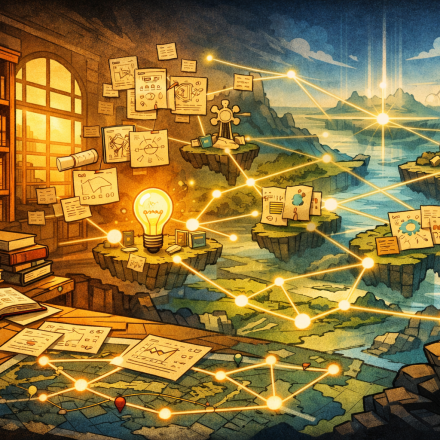
TPD003 The Difference Between Research and Knowledge Engineering
July 6, 2026
TPD002 The day I realised my onboarding strategy had reached its limits.
July 5, 2026
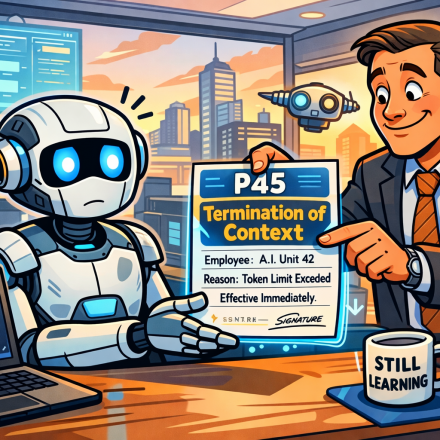
TPD001 The AI I Had to Fire
June 9, 2026
What Neurodiversity Taught Me About User Experience
Home/Artificial Intelligence (AI)/How will Ai transform the education industry?
Artificial Intelligence (AI)

How will Ai transform the education industry?

By LCousins
April 4, 2023 3 Min Read
0

Artificial Intelligence (AI) has the potential to revolutionise many industries, including the education industry. AI is already being used in various aspects of education, such as adaptive learning, intelligent tutoring systems, and automated grading systems. In this article, we will explore how AI will change the education industry and what we can expect in the future.

Personalised learning
One of the most significant impacts of AI in education is personalised learning. AI algorithms can analyse student data and tailor learning experiences to individual student needs. Personalised learning can help students learn at their own pace and provide them with customised content based on their strengths and weaknesses. AI-powered adaptive learning systems can track student progress and adapt the curriculum in real-time, providing students with a more engaging and effective learning experience.

Intelligent tutoring systems
AI-powered intelligent tutoring systems (ITS) can provide students with personalised and interactive learning experiences. These systems use AI algorithms to understand student behaviour, preferences, and learning styles to provide personalised recommendations and feedback. Intelligent tutoring systems can adapt to the student’s progress and provide real-time feedback, making the learning experience more engaging and effective.

Adaptive assessments
AI-powered assessments can adapt to a student’s performance, providing more challenging questions if they are doing well or easier questions if they are struggling. Adaptive assessments can provide a more accurate assessment of a student’s knowledge and skills, allowing teachers to tailor their instruction to each student’s needs.

Automated grading
AI can automate the grading process, saving teachers time and providing students with immediate feedback. Automated grading systems can analyse student responses and provide feedback based on predefined criteria. AI-powered grading systems can also identify patterns in student responses and provide feedback based on those patterns. Automated grading can help teachers focus on other aspects of teaching, such as lesson planning and student engagement.

Virtual learning assistants
AI-powered virtual learning assistants can provide students with 24/7 support, answering questions, providing feedback, and assisting with assignments. Virtual learning assistants can be integrated into learning management systems and can provide students with a personalised learning experience. Virtual learning assistants can also help teachers manage administrative tasks, such as grading and lesson planning.

Enhanced research capabilities
AI can enhance research capabilities by analysing large amounts of data and identifying patterns and trends. AI-powered research tools can help researchers analyse data more efficiently, making the research process more effective. AI can also help researchers identify relevant articles and papers, making the research process more streamlined.

Smart content
AI algorithms can analyse student data to identify the most effective teaching strategies for each student. This information can be used to create smart content that is tailored to each student’s learning style. Smart content can include interactive elements, such as simulations and games, that engage students and help them learn.

Improved accessibility
AI-powered technologies can improve accessibility for students with disabilities. For example, AI-powered transcription tools can transcribe lectures and discussions in real-time, providing students with captions and transcripts. AI-powered image recognition tools can also describe images and provide students with a more accessible learning experience.

Language learning
AI-powered language learning systems can provide students with personalised language instruction. These systems can analyse a student’s pronunciation, grammar, and vocabulary and provide feedback to help them improve. AI language learning systems can also simulate real-life conversations, providing students with the opportunity to practice their language skills in a realistic setting.

Predictive analytics
AI-powered predictive analytics can help educators identify students who are at risk of dropping out or falling behind. Predictive analytics can analyse student data, such as attendance, grades, and behaviour, and provide educators with insights into student performance. Predictive analytics can also help educators identify trends and patterns in student behaviour, providing insights into how to improve student engagement and performance.

Conclusion
AI has the potential to transform the education industry, providing students with a more personalised, engaging, and effective learning experience. AI-powered technologies such as personalised learning, intelligent tutoring systems, and automated grading can help educators provide students with a customised learning experience. Virtual learning assistants can provide students with 24/7 support, while predictive analytics can help educators identify students who are at risk of falling behind. As AI continues to evolve, we can expect to see even more exciting developments in the education industry.

Tags:

adaptive assessmentsai contentai in educationartificial intelligenceArtificial Intelligence (AI)automated gradingenhanced researchintelligent tutoringpersonalised learningpredictive analyticssmart contentvirtual learning assistants
Author

LCousins

Follow Me
Other Articles
Previous

Website Best Practices for 2023

Next

Is it possible to regulate Ai?

No Comment! Be the first one.

    Leave a Reply Cancel reply

    Your email address will not be published. Required fields are marked *

    Latest Posts

    • TPD003 The Difference Between Research and Knowledge Engineering
      by LCousins
      July 8, 2026
    • TPD002 The day I realised my onboarding strategy had reached its limits.
      by LCousins
      July 6, 2026
    • TPD001 The AI I Had to Fire
      by LCousins
      July 5, 2026
    • What Neurodiversity Taught Me About User Experience
      by LCousins
      June 9, 2026
    • Website Best Practices for 2026: Designing for Humans, AI, and an Increasingly Complex Digital World
      by LCousins
      March 7, 2026
    • TPD000 The Beginning: Why I Started Learning AI the Long Way Round
      by LCousins
      February 22, 2026
    • When Less Website Traffic Doesn’t Always Spell Less Impact
      by LCousins
      November 21, 2025
    • Honouring the Past, Embracing the Present
      by LCousins
      November 6, 2025
    • Misogyny and Sexual Harassment in the Workplace: The Harm of Covert Comments and Why Laughing It Off Is Not Consent
      by LCousins
      November 5, 2025
    • Empowering Women in Technology: A Call for Equity, Not Dominance – Part 1
      by LCousins
      September 12, 2025
    • How Large Language Models Are Redefining the Future of SEO
      by LCousins
      September 4, 2025
    • The European Accessibility Act and Why Accessibility Matters Beyond Compliance
      by LCousins
      July 31, 2025
    • Website Best Practices for 2025
      by LCousins
      June 2, 2025
    • Adventures in Dating: A Single Mum’s Journey Through Love in Her 40s
      by LCousins
      May 19, 2025
    • Building Resilience: Living a Life in the Sunlight
      by LCousins
      May 11, 2025

    Artcles you may have missed

    Artificial Intelligence (AI)

    TPD003 The Difference Between Research and Knowledge Engineering

    LCousins
    By LCousins
    July 8, 2026
    Artificial Intelligence (AI)

    TPD002 The day I realised my onboarding strategy had reached its limits.

    LCousins
    By LCousins
    July 6, 2026
    Artificial Intelligence (AI)

    TPD001 The AI I Had to Fire

    LCousins
    By LCousins
    July 5, 2026
    Accessibility Customer Experience (CX) Random Life Musings User Experience (UX)

    What Neurodiversity Taught Me About User Experience

    LCousins
    By LCousins
    June 9, 2026
    A woman browsing digital designs on a laptop while sitting comfortably at home.
    Digital

    Website Best Practices for 2026: Designing for Humans, AI, and an Increasingly Complex Digital World

    LCousins
    By LCousins
    March 7, 2026
    Artificial Intelligence (AI)

    TPD000 The Beginning: Why I Started Learning AI the Long Way Round

    LCousins
    By LCousins
    February 22, 2026
    Artificial Intelligence (AI) SEO

    When Less Website Traffic Doesn’t Always Spell Less Impact

    LCousins
    By LCousins
    November 21, 2025
    Adversity Random Life Musings Resilience

    Honouring the Past, Embracing the Present

    LCousins
    By LCousins
    November 6, 2025
    A woman holding a help sign, depicting workplace harassment in an office setting.
    Adversity Women in Tech

    Misogyny and Sexual Harassment in the Workplace: The Harm of Covert Comments and Why Laughing It Off Is Not Consent

    LCousins
    By LCousins
    November 5, 2025
    • Terms & Conditions
    • Accessibility
    Copyright 2026 Louise Cousins. Louise Cousins, All rights reserved