

Skip to content
Skip to content
  • LinkedIn
Louise Cousins Louise Cousins Louise Cousins

Digital Leader. Creator. Writer. Explorer.

Louise Cousins Louise Cousins Louise Cousins

Digital Leader. Creator. Writer. Explorer.

  • Home
  • Articles
    • Adversity
    • Artificial Intelligence (AI)
    • Creativity
    • Customer Experience (CX)
    • Live Work Balance
    • Machine Learning (ML)
    • Metaverse
    • Pandemic
    • Public Speaking
    • Resilience
    • Technical SEO
    • Time Management
    • User Experience (UX)
    • Digital
    • Women in Tech
  • Published Work
  • About Me
  • The Project
  • Home
  • Articles
    • Adversity
    • Artificial Intelligence (AI)
    • Creativity
    • Customer Experience (CX)
    • Live Work Balance
    • Machine Learning (ML)
    • Metaverse
    • Pandemic
    • Public Speaking
    • Resilience
    • Technical SEO
    • Time Management
    • User Experience (UX)
    • Digital
    • Women in Tech
  • Published Work
  • About Me
  • The Project
Louise Cousins Louise Cousins Louise Cousins

Digital Leader. Creator. Writer. Explorer.

Louise Cousins Louise Cousins Louise Cousins

Digital Leader. Creator. Writer. Explorer.

  • Home
  • Articles
    • Adversity
    • Artificial Intelligence (AI)
    • Creativity
    • Customer Experience (CX)
    • Live Work Balance
    • Machine Learning (ML)
    • Metaverse
    • Pandemic
    • Public Speaking
    • Resilience
    • Technical SEO
    • Time Management
    • User Experience (UX)
    • Digital
    • Women in Tech
  • Published Work
  • About Me
  • The Project
  • Home
  • Articles
    • Adversity
    • Artificial Intelligence (AI)
    • Creativity
    • Customer Experience (CX)
    • Live Work Balance
    • Machine Learning (ML)
    • Metaverse
    • Pandemic
    • Public Speaking
    • Resilience
    • Technical SEO
    • Time Management
    • User Experience (UX)
    • Digital
    • Women in Tech
  • Published Work
  • About Me
  • The Project
Articles
July 8, 2026
TPD003 The Difference Between Research and Knowledge Engineering
July 6, 2026
TPD002 The day I realised my onboarding strategy had reached its limits.
July 5, 2026
TPD001 The AI I Had to Fire
June 9, 2026
What Neurodiversity Taught Me About User Experience
Home/Artificial Intelligence (AI)/The Perils of Premature and Excessive AI Integration in Organisations
Artificial Intelligence (AI)

The Perils of Premature and Excessive AI Integration in Organisations

By LCousins
September 12, 2023 3 Min Read
0

Artificial Intelligence (AI) has undeniably revolutionised the way we live and conduct business. With its ability to process vast amounts of data, make predictions, and automate tasks, AI promises significant advantages for organisations in terms of efficiency, cost savings, and innovation. However, the rush to implement AI too soon and too extensively into an organisation can be fraught with dangers that must be carefully considered. This blog will explore the perils of prematurely and excessively integrating AI into an organisation, emphasising the irreplaceable role of human interaction and the potential regulatory challenges posed by emerging AI technologies like GPT.

The Limitations of AI

While AI systems have made remarkable strides in recent years, they remain far from replacing the complex capabilities of human interaction. AI excels at processing data and performing repetitive tasks, but it falls short in several critical areas:

  1. Lack of empathy and understanding: AI lacks emotional intelligence and cannot truly understand or empathise with human emotions, making it unsuitable for tasks that require compassion, empathy, and nuanced understanding.
  2. Unpredictable behavior: AI systems may produce unexpected or undesirable outcomes when faced with unanticipated situations, as they rely on pre-programmed algorithms and historical data.
  3. Creativity and innovation: While AI can assist in data analysis and generate patterns, it cannot replicate human creativity and innovation, which are vital for problem-solving and generating novel ideas.
  4. Ethical decision-making: AI systems do not possess moral judgment or ethical reasoning. Decisions made by AI may not align with an organisation’s values or societal norms, potentially leading to ethical dilemmas and public relations disasters.
  5. Contextual understanding: AI struggles to grasp the subtleties of human language and context, often misinterpreting or misrepresenting information, which can lead to miscommunication and misinformation.

Human Interaction is Invaluable

Despite AI’s capabilities, the human touch remains irreplaceable in many aspects of business operations. Interpersonal relationships, emotional intelligence, and the ability to adapt to diverse situations are critical factors that make humans indispensable in various roles within organisations. For instance:

  1. Customer relations: Building trust and rapport with customers often relies on human interaction. AI-driven chatbots and automated responses may frustrate customers who seek personalised assistance.
  2. Complex problem-solving: Many business challenges require human creativity, critical thinking, and intuition, particularly in ambiguous or novel situations.
  3. Ethical considerations: Ethical dilemmas often arise in business decisions, and human judgment is essential to navigate these complex moral issues.
  4. Innovation and strategy: Strategic planning, innovation, and long-term vision are areas where human leadership and creativity are indispensable.

Regulatory Uncertainties and Future Impact

The rapid evolution of AI technologies like GPT is accompanied by a growing concern for regulatory oversight. As AI becomes more influential in various industries, governments and regulatory bodies are considering stricter guidelines to ensure ethical and responsible AI deployment. Businesses that rely too heavily on AI without considering these potential regulatory changes expose themselves to significant risks, including:

  1. Legal consequences: Implementing AI systems without proper compliance may lead to legal liabilities and fines if future regulations demand stricter controls or ethical considerations.
  2. Business disruption: Sudden regulatory changes can disrupt AI-dependent operations, leading to downtime, financial losses, and reputational damage.
  3. Stifling innovation: Over-reliance on existing AI tools may hinder an organisation’s ability to adapt to new regulations and stifle innovation to meet evolving compliance requirements.
  4. Public perception: Organisations perceived as exploiting AI without ethical considerations may face public backlash and loss of trust, damaging their brand reputation.

Conclusion

While AI offers numerous benefits to organisations, including improved efficiency and cost savings, its premature and excessive integration poses significant dangers. Human interaction remains indispensable for empathy, creativity, ethical decision-making, and adaptability in complex situations. Moreover, the evolving regulatory landscape surrounding AI technologies like GPT adds a layer of uncertainty that organisations must consider when implementing AI solutions. Striking a balance between AI integration and maintaining human involvement is crucial to ensure the long-term success and ethical responsibility of businesses in the age of AI. Careful consideration, ethical awareness, and continuous monitoring of AI implementation are essential for organisations to navigate these challenges and harness the full potential of AI while mitigating its perils.


Tags:

AI Implementationartificial intelligenceArtificial Intelligence (AI)chatGPTFuture ImpactGPTGPT 3.5GPT 4GPT 5Human INteractionLimitations of AIregulation of Ai
Author

LCousins

Follow Me
Other Articles
Previous

Mastering the Art of Public Speaking: Tips and Strategies for Nailing Your First Speaking Event!

Next

Resilience: Navigating Adversity with Strength and Determination

No Comment! Be the first one.

    Leave a Reply Cancel reply

    Your email address will not be published. Required fields are marked *

    Latest Posts

    • TPD003 The Difference Between Research and Knowledge Engineering
      by LCousins
      July 8, 2026
    • TPD002 The day I realised my onboarding strategy had reached its limits.
      by LCousins
      July 6, 2026
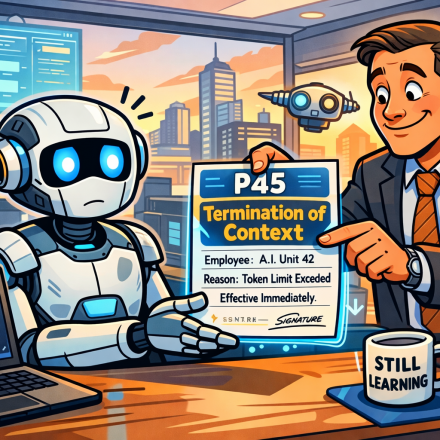
    • TPD001 The AI I Had to Fire
      by LCousins
      July 5, 2026
    • What Neurodiversity Taught Me About User Experience
      by LCousins
      June 9, 2026
    • Website Best Practices for 2026: Designing for Humans, AI, and an Increasingly Complex Digital World
      by LCousins
      March 7, 2026
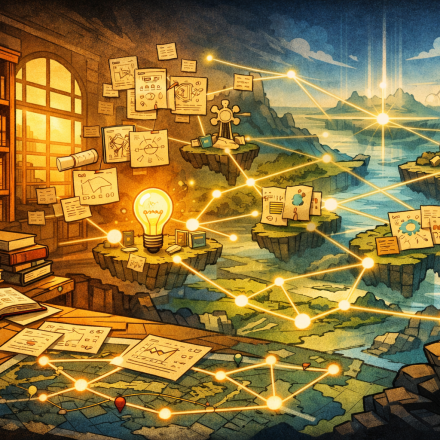
    • TPD000 The Beginning: Why I Started Learning AI the Long Way Round
      by LCousins
      February 22, 2026
    • When Less Website Traffic Doesn’t Always Spell Less Impact
      by LCousins
      November 21, 2025
    • Honouring the Past, Embracing the Present
      by LCousins
      November 6, 2025
    • Misogyny and Sexual Harassment in the Workplace: The Harm of Covert Comments and Why Laughing It Off Is Not Consent
      by LCousins
      November 5, 2025
    • Empowering Women in Technology: A Call for Equity, Not Dominance – Part 1
      by LCousins
      September 12, 2025
    • How Large Language Models Are Redefining the Future of SEO
      by LCousins
      September 4, 2025
    • The European Accessibility Act and Why Accessibility Matters Beyond Compliance
      by LCousins
      July 31, 2025
    • Website Best Practices for 2025
      by LCousins
      June 2, 2025
    • Adventures in Dating: A Single Mum’s Journey Through Love in Her 40s
      by LCousins
      May 19, 2025
    • Building Resilience: Living a Life in the Sunlight
      by LCousins
      May 11, 2025

    Artcles you may have missed

    Artificial Intelligence (AI)

    TPD003 The Difference Between Research and Knowledge Engineering

    LCousins
    By LCousins
    July 8, 2026
    Artificial Intelligence (AI)

    TPD002 The day I realised my onboarding strategy had reached its limits.

    LCousins
    By LCousins
    July 6, 2026
    Artificial Intelligence (AI)

    TPD001 The AI I Had to Fire

    LCousins
    By LCousins
    July 5, 2026
    Accessibility Customer Experience (CX) Random Life Musings User Experience (UX)

    What Neurodiversity Taught Me About User Experience

    LCousins
    By LCousins
    June 9, 2026
    A woman browsing digital designs on a laptop while sitting comfortably at home.
    Digital

    Website Best Practices for 2026: Designing for Humans, AI, and an Increasingly Complex Digital World

    LCousins
    By LCousins
    March 7, 2026
    Artificial Intelligence (AI)

    TPD000 The Beginning: Why I Started Learning AI the Long Way Round

    LCousins
    By LCousins
    February 22, 2026
    Artificial Intelligence (AI) SEO

    When Less Website Traffic Doesn’t Always Spell Less Impact

    LCousins
    By LCousins
    November 21, 2025
    Adversity Random Life Musings Resilience

    Honouring the Past, Embracing the Present

    LCousins
    By LCousins
    November 6, 2025
    A woman holding a help sign, depicting workplace harassment in an office setting.
    Adversity Women in Tech

    Misogyny and Sexual Harassment in the Workplace: The Harm of Covert Comments and Why Laughing It Off Is Not Consent

    LCousins
    By LCousins
    November 5, 2025
    • Terms & Conditions
    • Accessibility
    Copyright 2026 Louise Cousins. Louise Cousins, All rights reserved